Pet Health Insurance in Germany — English Compare Guide for Expats 2026
Most expats in Germany pay €9.90-€80 per month for pet health insurance, depending on the tier. Insurers with English websites, such as Feather and HelloGetSafe, compete with providers whose German websites are in German, such as Lassie, AGILA, HanseMerkur and Helvetia. This guide compares them in English, with the German vet billing law (GOT 2022) explained.
· Reviewed by Checkalle Editorial
Disclosure: Checkalle earns an affiliate commission when you compare or sign up through our partner Tarifcheck — at no extra cost to you. Premiums and conditions are set by the insurers.
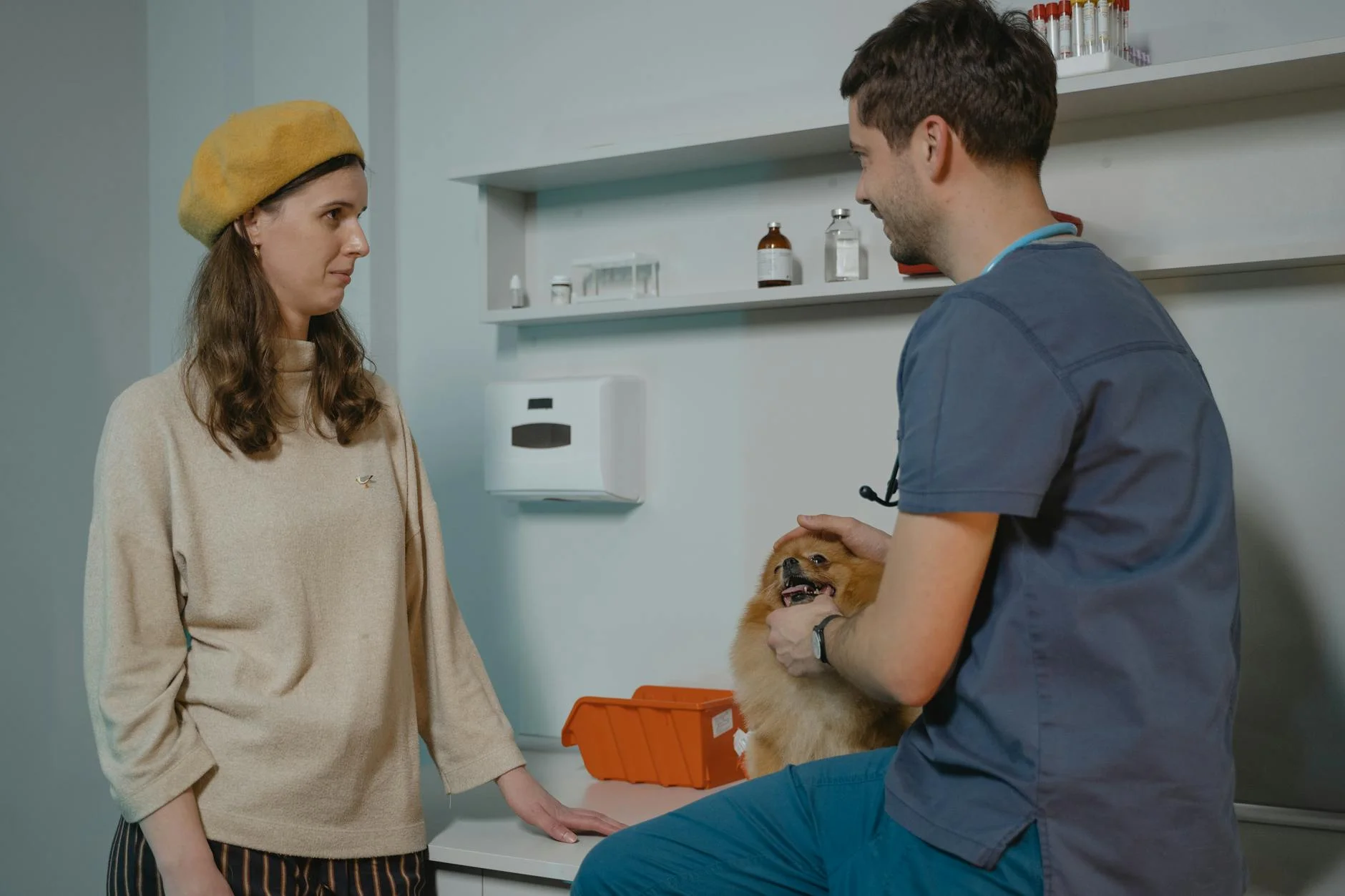
Photo: Tima Miroshnichenko / Pexels
Compare Pet Health Insurance in Germany
Enter your pet's details below to see live quotes from German insurers and English-first providers side by side. Two minutes, no signup, no obligation.
Key Takeaways
- • Surgery-only cover starts at ~€9.90/month; full cover runs €30-€80/month for dogs and €15-€40/month for cats (Source: Verbraucherzentrale).
- • English websites: Feather, HelloGetSafe. German websites: Lassie, AGILA, HanseMerkur, Helvetia, DEVK.
- • German vet billing follows the GOT 2022 — vets bill 1x, 2x, 3x, or up to 4x the base rate (§ 2 GOT). Choose a tariff that reimburses to the 4x rate.
- • A single cruciate-ligament operation runs €1,800-€3,500 (Source: ADAC veterinary cost reference).
- • Stiftung Warentest recommends OP cover at a minimum for dogs older than five.
- • Most insurers cap entry age at 7-9 years and exclude pre-existing conditions.
- • Dog liability (Tierhalterhaftpflicht) is mandatory in eight federal states — that's a separate policy from health.
Why pet health insurance matters in Germany
German vet care is excellent, but it isn't cheap. The federal Gebührenordnung für Tierärzte (vet fee schedule, GOT 2022) defines what a vet can charge — and most clinics in cities like Berlin or Munich now bill at the 3x rate by default for routine consultations and the full 4x rate for emergency or surgical procedures.
That means a torn cruciate ligament — one of the most common dog surgeries — typically lands somewhere between €1,800 and €3,500, depending on the size of the dog and the technique used. A blocked bladder in a male cat can run €800-€1,600. Cancer treatment for a senior dog easily passes €4,000.
Without insurance, those bills come out of your pocket on the day of treatment. The German consumer authority Verbraucherzentrale calls pet insurance "useful for owners who would struggle to pay a four-figure bill on short notice" — and that describes most expats in their first few years here, when the relocation has already drained the rainy-day fund.
The trade-off is monthly premiums. The widget at the top of this page shows live quotes for your specific pet, but the typical range is wide: a young, mixed-breed dog from a small town might get OP cover for €10/month, while a Bulldog living in central Munich could pay €60+ for the same tier.
English vs German-language providers
For English speakers, pet insurers in Germany fall into two groups: a few insurtechs with English websites, and providers whose German websites are in German. Check the policy language with the insurer before you sign.
| Provider | Type | Website language | What we checked (September 2026) |
|---|---|---|---|
| Feather | Insurtech (Berlin) | English | Pet insurance page in English |
| Lassie | Insurtech | German (lassie.de) | No English version shown on lassie.de |
| HelloGetSafe | Insurtech (Heidelberg) | English | States app and policy are fully available in English |
| AGILA | Specialist (Hannover) | German | Pet insurance page in German |
| HanseMerkur | Established insurer (Hamburg) | German | Pet insurance page in German |
| Helvetia | Established insurer (CH/DE) | German | Pet insurance page in German |
| DEVK | Established insurer (Köln) | German | Pet insurance page in German |
An English website does not automatically mean a lower price. Check prices and the policy language with each insurer before you sign.
OP-Versicherung vs Vollversicherung — choosing your tier
OP-Versicherung (surgery only)
From ~€9.90/month for cats and small dogs.
- ✓ Surgery, anaesthesia, pre- and post-op care
- ✓ Hospital stay related to the operation
- ✗ Routine vet visits, vaccinations, dental
- ✗ Diagnostics that don't lead to surgery
Best for: young pets, mixed-breed dogs, owners who only worry about catastrophic costs.
Vollversicherung (full cover)
€30-€80/month dogs, €15-€40/month cats.
- ✓ Everything in OP-Versicherung
- ✓ Vet visits, diagnostics, medication
- ✓ Often: dental, vaccinations, physio (premium tariffs)
- ✗ Pre-existing conditions, cosmetic procedures
Best for: senior pets, pure-breed dogs prone to chronic illness, owners who want predictable monthly costs.
Stiftung Warentest's rule of thumb is straightforward: OP cover for any dog older than five, full cover when the breed history suggests chronic conditions (Bulldogs, Dachshunds, Bernese Mountain Dogs). For cats, OP cover plus accident is usually enough until age eight.
How GOT vet billing actually works
The Gebührenordnung für Tierärzte sets a federal base rate (1x) for every veterinary service. § 2 GOT lets vets bill at 1x, 2x, 3x, or up to 4x that rate based on case difficulty, time of day, and whether the appointment was an emergency.
In practice: a routine consultation in central Berlin or Munich is often billed at the 2x or 3x rate. After-hours emergencies almost always hit the 4x ceiling. A surgical procedure with anaesthesia regularly bills at 3x-4x for the operation itself.
This matters when you read the small print. Tariffs that say "100% reimbursement to the 2x rate" cover roughly half of a typical urban-clinic bill. Tariffs that reimburse to the 4x rate effectively cover the whole thing. The official text of the GOT is published by the federal Ministry of Justice on gesetze-im-internet.de.
The Bundestierärztekammer (Federal Chamber of Veterinarians) maintains a plain-language explainer of the GOT and clinic billing practices at bundestierärztekammer.de — useful when comparing what your insurer will reimburse against what your clinic actually bills.
What expats should verify before signing
Most insurers now accept international customers without much friction, but a few practical details still trip people up. Run through this before you click "apply":
Foreign IBAN
SEPA covers all EU-area IBANs. Most German pet insurers will debit a Dutch, French, or Spanish IBAN. Non-SEPA accounts (UK, US, Switzerland) are usually rejected — open a free German bank account first.
Anmeldung address
You need a registered German address (Anmeldebestätigung) for the policy. Hotel addresses or short-term sublets are typically refused.
Microchip and EU pet passport
Insurers ask for the ISO 11784/11785 microchip number. If you imported your pet, the EU pet passport satisfies this — keep it scanned.
Pre-existing condition declaration
Be honest about prior treatments. Concealment voids the policy. Ask the insurer to confirm in writing which conditions are excluded — Feather and Lassie put this in the welcome email.
Wartezeit (waiting period)
Most policies have a 30-day general waiting period and 90-180 days for orthopaedic conditions like cruciate ligaments. If your dog is already limping, get treatment first, sign later.
Finding an English-speaking vet
Insurance covers the bill. Finding a vet who can talk you through a diagnosis in English is a separate problem.
Check the practice website for an English version or ask when you book. In Munich, the small animal clinic of LMU Munich publishes its website in English as well as German.
Tip: when you call to book, ask for a vet "die Englisch spricht".
Tax and legal notes
Tax deductibility
Private pet health insurance is not a Sonderausgabe under § 10 EStG — you generally cannot claim it on your annual Steuererklärung. The exception is a working dog (police, customs, registered breeding business), where the cost may qualify as Betriebsausgaben. Speak to a Steuerberater for your specific situation.
Dog liability is separate and sometimes mandatory
Health insurance pays the vet. Liability insurance (Tierhalterhaftpflicht) pays the third party your dog injures or whose property your dog damages. Eight federal states make dog liability mandatory: Berlin, Hamburg, Lower Saxony, Brandenburg, North Rhine-Westphalia, Saxony, Schleswig-Holstein, and Thuringia. We compare those policies on our Pet Liability Insurance page.
Bringing a pet from outside the EU
You need a microchip, a rabies vaccination at least 21 days old, and an EU pet passport or third-country veterinary certificate (EU Regulation 576/2013). Insurers will not back-date cover to before your pet's arrival.
GDV consumer protection
The German Insurance Association (GDV) publishes complaint statistics by insurer. Worth a quick check before you commit to a multi-year policy.
What good cover gives you
Treatment without cost panic
Approve the surgery your vet recommends instead of weighing it against your bank balance.
Up to 100% of the GOT 4x rate
Premium tariffs reimburse the maximum legal vet rate — the bill is covered in full, not partially.
Predictable monthly cost
A fixed premium replaces the lottery of one-off four-figure bills — useful when you're still learning German salary maths.
Related insurance for pet owners and expats
Frequently Asked Questions
How much does pet health insurance cost in Germany?
Surgery-only cover (OP-Versicherung) starts at roughly €9.90/month. Full health cover (Vollversicherung) for a dog is typically €30-€80/month, for a cat €15-€40/month. The exact figure depends on breed, age, postcode, and how much of the vet bill the tariff reimburses (Source: Verbraucherzentrale, Tierkrankenversicherung 2024).
What does pet health insurance cover?
OP-only tariffs cover surgery, anaesthesia, and post-operative care. Vollversicherung adds vet visits, diagnostics, medication, hospitalisation, and X-rays. Premium tariffs may include dental, vaccinations, and physiotherapy. Pre-existing conditions and cosmetic procedures are excluded across the German market.
Is pet health insurance worth it for expats living in Germany?
For dogs, the maths often works. A single cruciate-ligament operation runs €1,800-€3,500 (Source: ADAC veterinary cost reference). Stiftung Warentest recommends OP cover at minimum for dogs older than five. For young, healthy cats, OP-only is the common entry choice and often pays for itself with one surgery.
Which insurers operate in English in Germany?
Feather (Berlin) runs its pet insurance website in English, and Getsafe (Heidelberg, brand HelloGetSafe) states that its app and policies are fully available in English. The German website of Lassie is in German. AGILA, HanseMerkur, Helvetia and DEVK run their pet insurance pages in German.
Can I insure a dog or cat that I brought from another country?
Yes, provided the animal has a valid EU pet passport, microchip (ISO 11784/11785), and current rabies vaccination per EU Regulation 576/2013. Most insurers will accept the chip number and vaccine record. If your pet is older or has any prior medical history, expect those conditions to be excluded.
What is the GOT (Gebührenordnung für Tierärzte) and why does it matter?
The GOT 2022 is the German federal regulation that sets vet billing rates. Vets can bill at 1x, 2x, 3x, or 4x the base GOT rate depending on case complexity (§ 2 GOT). Insurance tariffs that reimburse "100% to the 4x rate" cover the full bill in nearly all real-world cases. Tariffs capped at "2x" or "3x" leave you paying the difference.
Can I get pet insurance for an older dog or cat?
Most insurers cap entry age at 7-9 years for dogs and 8-10 for cats. Premiums climb sharply after age 5. AGILA Plus is one of the few German insurers that accepts enrolment up to age 10 for both species. Pre-existing conditions remain excluded regardless of age.
Is pet insurance tax-deductible in Germany?
Generally no. Private pet health insurance is not a Sonderausgabe under § 10 EStG. The exception is when the animal is used for professional purposes (working dog, service dog, breeding business) — those costs may be deductible as Betriebsausgaben. Consult a Steuerberater for your specific case.
Compare and choose with confidence
Live quotes from German insurers and English-first providers — side by side, with an English guide. Two minutes, no commitment.
Sources: Verbraucherzentrale, Stiftung Warentest, Bundestierärztekammer, Gebührenordnung für Tierärzte (GOT 2022, gesetze-im-internet.de), GDV, ADAC veterinary cost reference. Last reviewed 5 May 2026.